01
Inspect
We assess the problem and where it is starting from.
What They Mean and Why You Should Never Break Them
About this service
Subterranean termites build mud tubes (also called shelter tubes or galleries) to travel between their soil nest and their food source without exposure to dry air or predators. The tubes are pencil-thick, made of soil cemented with termite saliva and faeces, and are usually found on piers, brick walls, slab edges, retaining walls, fences and inside subfloor areas.
Four types are commonly seen: exploratory tubes (thin, irregular, branching — termites searching for food), working tubes (thicker, well-maintained, carrying foragers to and from the food source), swarming tubes (built at swarming time to release reproductive alates), and drop tubes (suspended from ceilings or beams where workers have nowhere else to attach).
If you're comparing treatment options or trying to work out what pest you're dealing with, also read Termite Inspections in the Sutherland Shire: Why Every Homeowner Needs One, 7 Early Termite Signs Most Sutherland Shire Homeowners Miss and What's Actually Checked During a Termite Inspection: The Full AS 4349.3 Checklist.
Signs of a problem
What's included
Most pest issues grow more complex and more expensive the longer they are left alone. A prompt inspection or treatment usually saves money, inconvenience and avoidable damage.
We show up on time, explain the treatment clearly, and back our work with written advice and follow-up recommendations. If you need the next step after an inspection or treatment, you'll know exactly what to do.
Our process
A licensed-technician process built around your property, your schedule, and the specific pest pressure we see across the Shire.
We assess the problem and where it is starting from.
We explain the right solution, whether that is treatment, monitoring or an inspection report.
You get practical next steps to keep the issue under control.
Our approach
No two homes, tenancies or commercial sites are the same. Every job gets a tailored plan based on access points, pest pressure, risk level and the outcome you actually need.
If you find mud tubes on your Sutherland Shire property — most commonly on brick piers in subfloor areas, against slab edges, or on retaining walls in suburbs like Bangor, Menai, Engadine and Illawong — do not break them open. Disturbing termites causes them to retreat into the structure, seal off the disturbed area, and re-route through another entry point. The colony continues feeding, but now it is harder to locate and treat.
The correct response is to leave the tubes intact, photograph them if you can, and call a licensed timber pest inspector. We will examine the tubes, identify the species (often from soldiers extracted from a small, controlled probe), trace the route back toward the nest if possible, and recommend the right treatment — usually a combination of direct nest treatment, baiting and a chemical barrier.
A licensed technician checks the infestation pattern, risk points, conducive conditions and any safety requirements for kids, pets or staff.
We explain the target pest, affected areas, products or monitoring involved, expected results and next steps before work begins.
You get practical preparation advice, a clear treatment summary and a follow-up recommendation to reduce reinfestation risk.
Why choose us
Experienced local technicians, compliant treatment methods and written recommendations you can keep on file.
We explain preparation, re-entry timing and lower-impact options clearly before we start any work.
Same-day and next-day booking windows are available across Cronulla, Miranda, Caringbah, Engadine and surrounding suburbs.
We deal with the same termite, cockroach, spider, rodent and coastal pest pressures every week across the Sutherland Shire.
Why local matters
Even old, dry mud tubes are significant — they prove termites have been active on the property and that conducive conditions exist. They need to be assessed by a professional, not painted over or hosed off. Call (02) 9543 0093 the same day if you find mud tubes anywhere on your property.
Service areas
We service every suburb across the Shire, with fast response times for homes, strata sites, childcare centres, restaurants, warehouses and offices.
Related guides
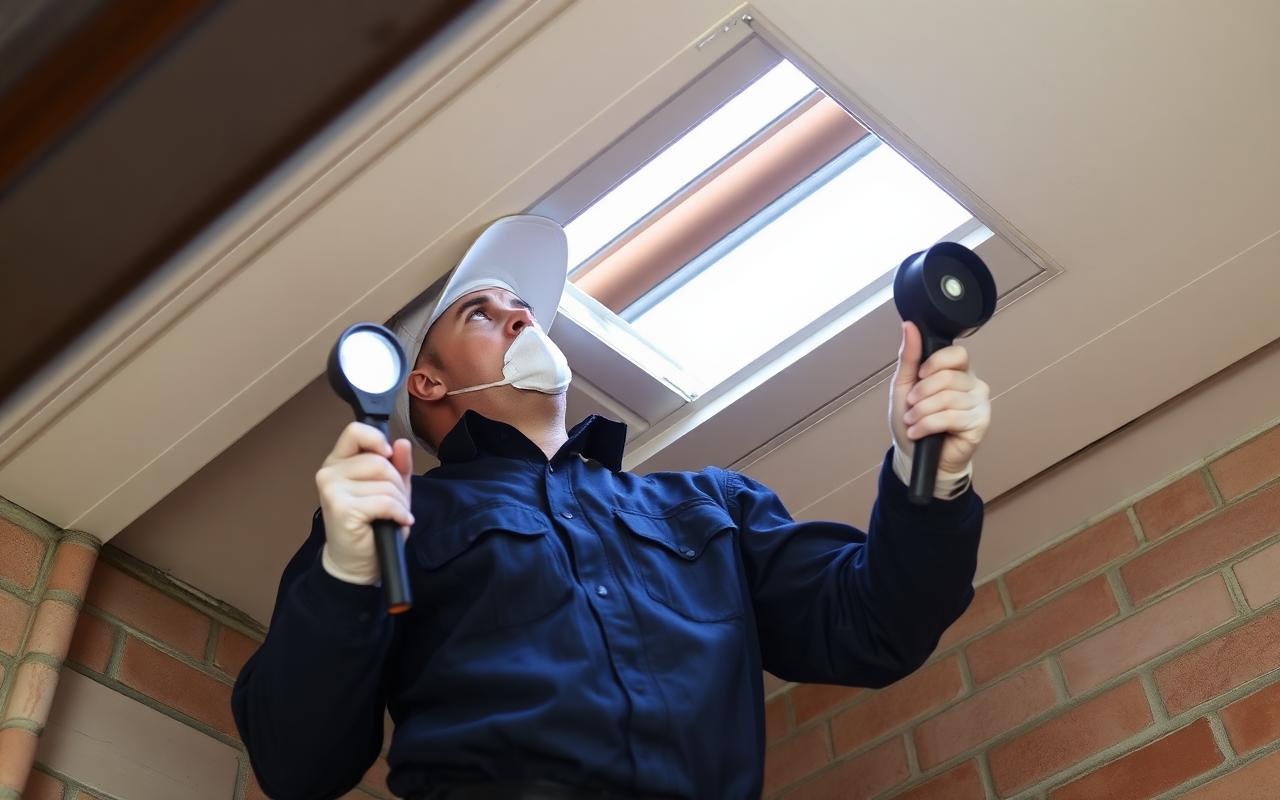
Termites cause billions of dollars in damage to Australian homes every year — and most home insurance doesn't cover it. Here's why annual inspections matter.
Read article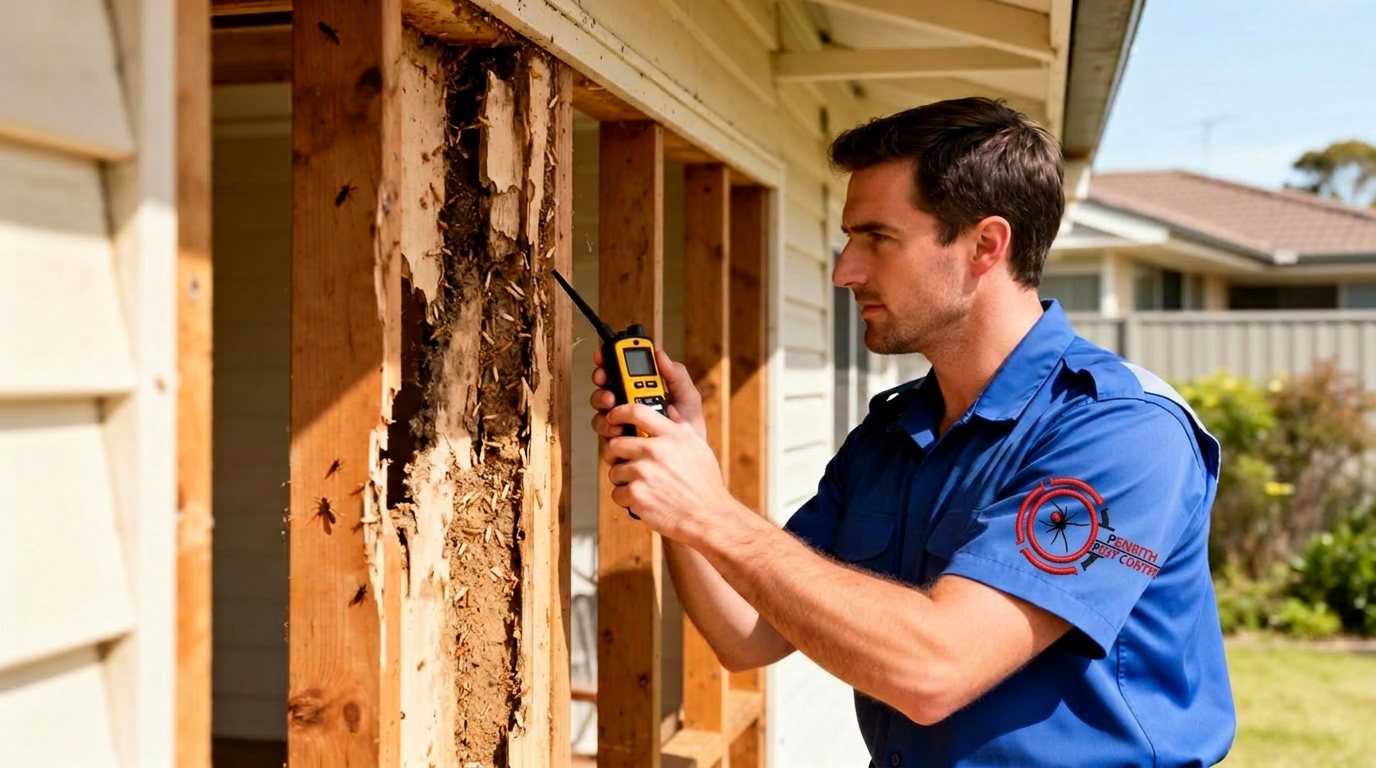
By the time termites are visible, damage is usually well advanced. Learn the subtle warning signs our inspectors find every week across the Shire.
Read article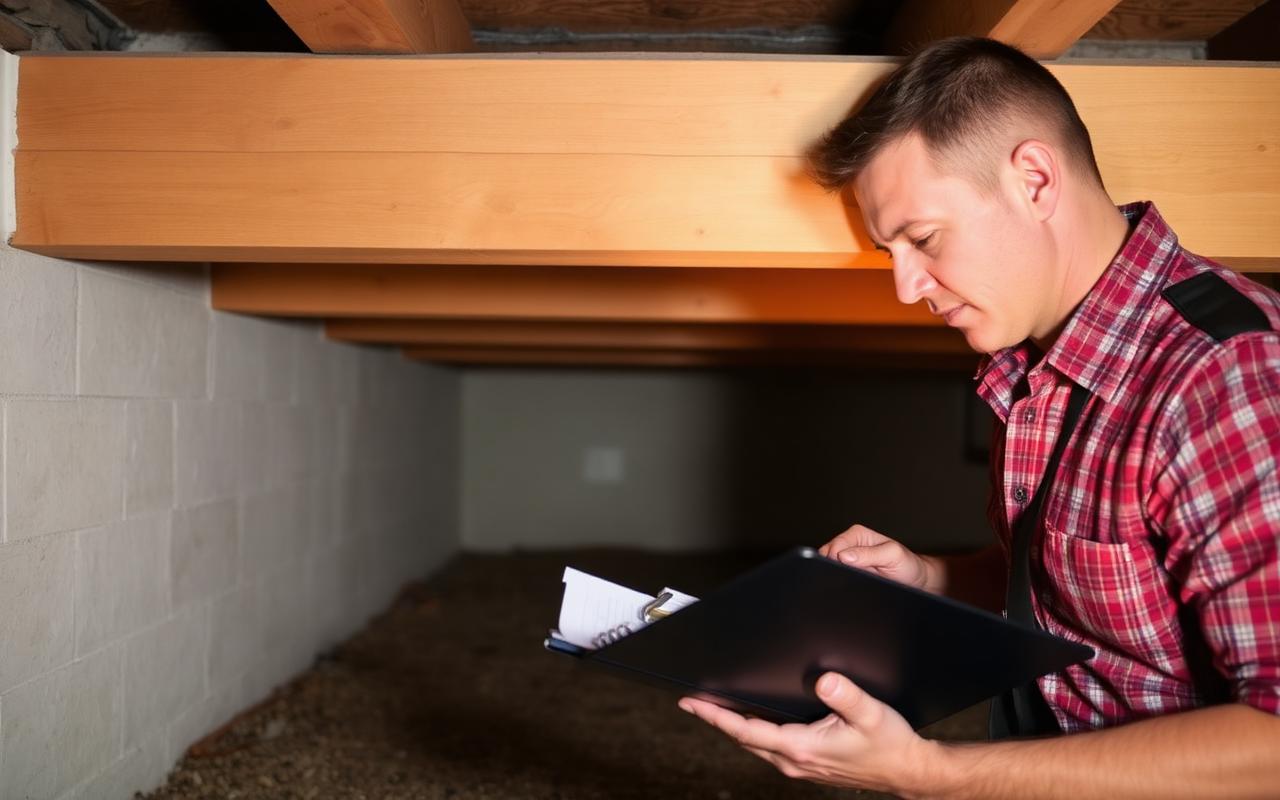
An annual termite inspection should take 60–90 minutes. Here's the room-by-room checklist our licensed inspectors work through in every Shire home.
Read article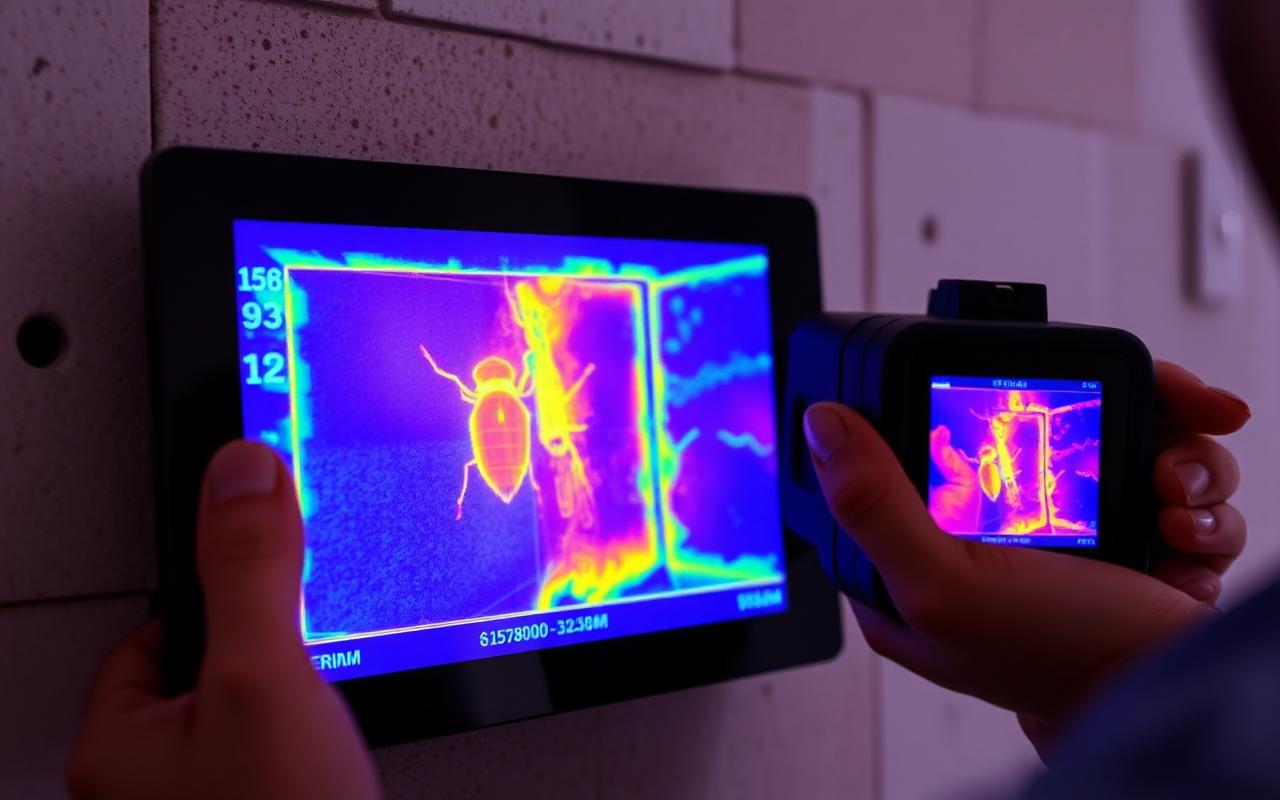
Termites hide behind plasterboard, render and tiles. FLIR thermal cameras find them without invasive damage. Here's how it works.
Read article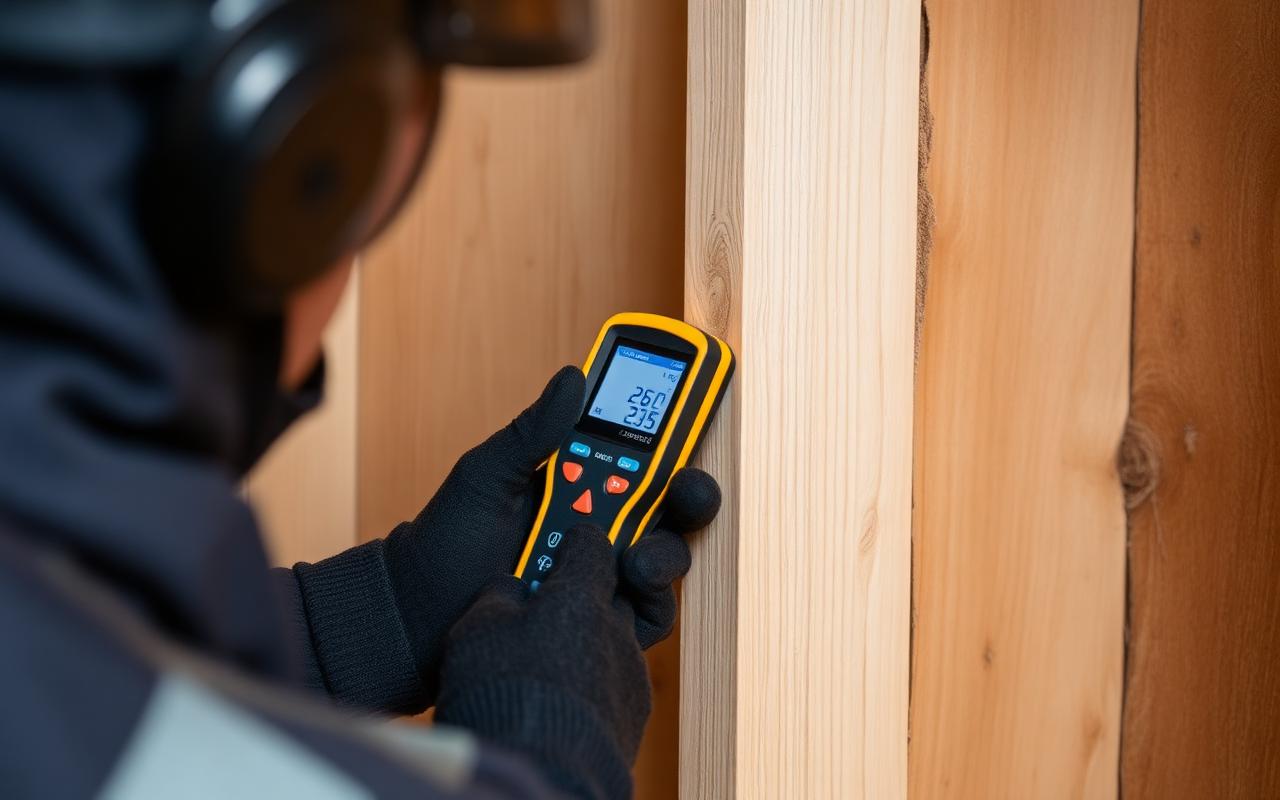
Termites need moisture. Find the wet timber, find the termites. Here's how Tramex moisture mapping works in a Sutherland Shire inspection.
Read article
AS 3660 recommends annual termite inspections for every property. Bushland-fringed Shire homes should be inspected every 6 months. Here's why.
Read articleFAQ
Same-day and next-day appointments are available across much of the Sutherland Shire.
Yes. We help residential, strata and commercial properties across the Shire.
Yes. You can book online or call the team directly for help choosing the right service.
Book online
Same-day service is available across the Sutherland Shire. Call now, book online, or send us the details and we'll come back with a fixed price and the next available time.
Tell us about your termite inspection job and we'll confirm the right service, timing and booking options.