01
Inspect
We examine all accessible areas for activity, damage and conditions that increase termite risk around the structure.
By the time termites are visible, damage is usually well advanced. Learn the subtle warning signs our inspectors find every week across the Shire.
About this service
Subterranean termites work silently from inside the timber outwards. A skirting board can look perfect on the surface while the back is honeycombed with galleries. The earlier you spot the warning signs, the cheaper and less invasive treatment will be.
Sign 1 — Mud leads or shelter tubes: pencil-thick mud trails on brick piers, retaining walls or slab edges. Common on bush-fringed Shire blocks. Never break them open — disturbed termites simply retreat and re-route.
If you're comparing treatment options or trying to work out what pest you're dealing with, also read Termite Inspections in the Sutherland Shire: Why Every Homeowner Needs One, What's Actually Checked During a Termite Inspection: The Full AS 4349.3 Checklist and How Thermal Imaging Detects Hidden Termite Activity in Sutherland Shire Walls.
Signs of a problem
What's included
Most Australian home insurance policies do not cover termite damage. Waiting until termites are visible often means the damage is already advanced, with repair costs far exceeding the price of routine annual inspections.
We show up on time, explain the treatment clearly, and back our work with written advice and follow-up recommendations. If you need the next step after an inspection or treatment, you'll know exactly what to do.
Our process
A licensed-technician process built around your property, your schedule, and the specific pest pressure we see across the Shire.
We examine all accessible areas for activity, damage and conditions that increase termite risk around the structure.
You receive clear findings, photos and an explanation of what is active, what is damage, and what requires urgent attention.
If termites or high-risk conditions are present, we outline the right monitoring or treatment pathway for the property.
Our approach
No two homes, tenancies or commercial sites are the same. Every job gets a tailored plan based on access points, pest pressure, risk level and the outcome you actually need.
Sign 2 — Doors and windows suddenly sticking: termites raise moisture in surrounding timber, swelling frames so they jam in dry weather with no other explanation.
Sign 3 — Hollow or papery sound when you tap skirting, architraves or door jambs. Healthy timber sounds solid; eaten timber sounds like cardboard.
A licensed technician checks the infestation pattern, risk points, conducive conditions and any safety requirements for kids, pets or staff.
We explain the target pest, affected areas, products or monitoring involved, expected results and next steps before work begins.
You get practical preparation advice, a clear treatment summary and a follow-up recommendation to reduce reinfestation risk.
Why choose us
Experienced local technicians, compliant treatment methods and written recommendations you can keep on file.
We explain preparation, re-entry timing and lower-impact options clearly before we start any work.
Same-day and next-day booking windows are available across Cronulla, Miranda, Caringbah, Engadine and surrounding suburbs.
We deal with the same termite, cockroach, spider, rodent and coastal pest pressures every week across the Sutherland Shire.
Why local matters
Sign 4 — Tiny piles of what looks like coffee grounds. These are drywood termite droppings (frass). Common in older Shire homes with exposed roof beams.
Sign 5 — Discarded wings on window sills or in spider webs. After spring rain, reproductive termites swarm, mate and shed their wings — usually within a few metres of the new colony.
Sign 6 — Bubbling or rippled paint that looks like minor water damage. Termites just under the paint surface cause the timber underneath to expand and contract.
Sign 7 — Live workers in garden sleepers, mulch piles or stored firewood within 50m of the house. These colonies will eventually probe the slab edge looking for a way in.
If you tick any of these boxes, do not spray, prod or disturb the area. Call us on (02) 9543 0093 for a full AS 4349.3 inspection with thermal imaging and termite radar.
Service areas
We service every suburb across the Shire, with fast response times for homes, strata sites, childcare centres, restaurants, warehouses and offices.
Related guides
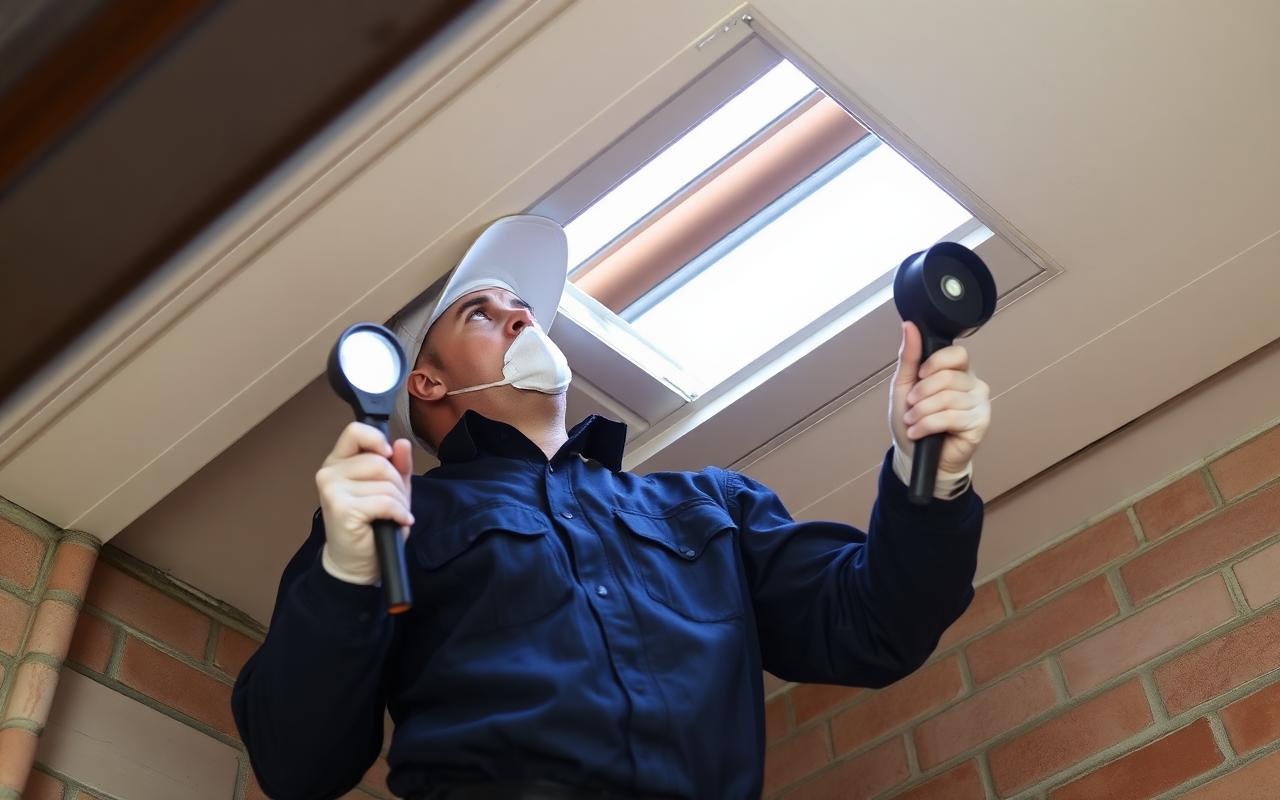
Termites cause billions of dollars in damage to Australian homes every year — and most home insurance doesn't cover it. Here's why annual inspections matter.
Read article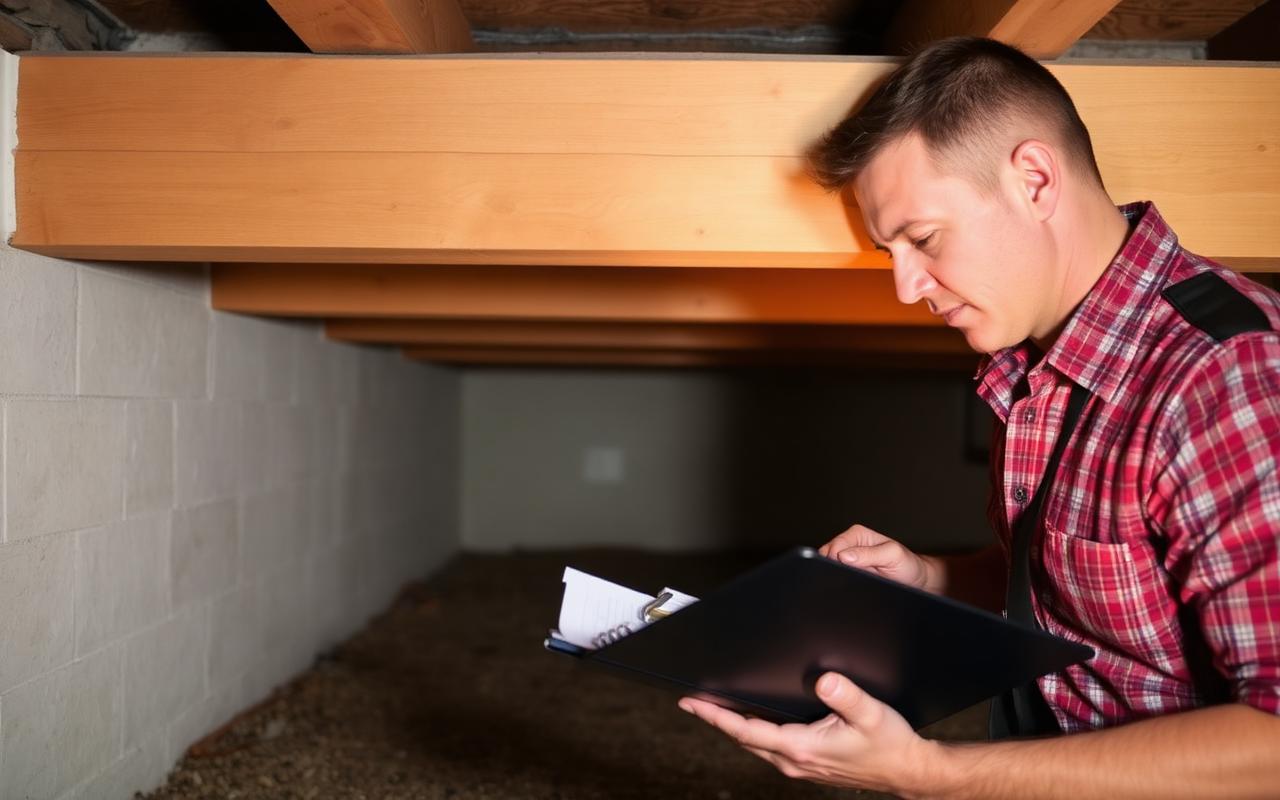
An annual termite inspection should take 60–90 minutes. Here's the room-by-room checklist our licensed inspectors work through in every Shire home.
Read article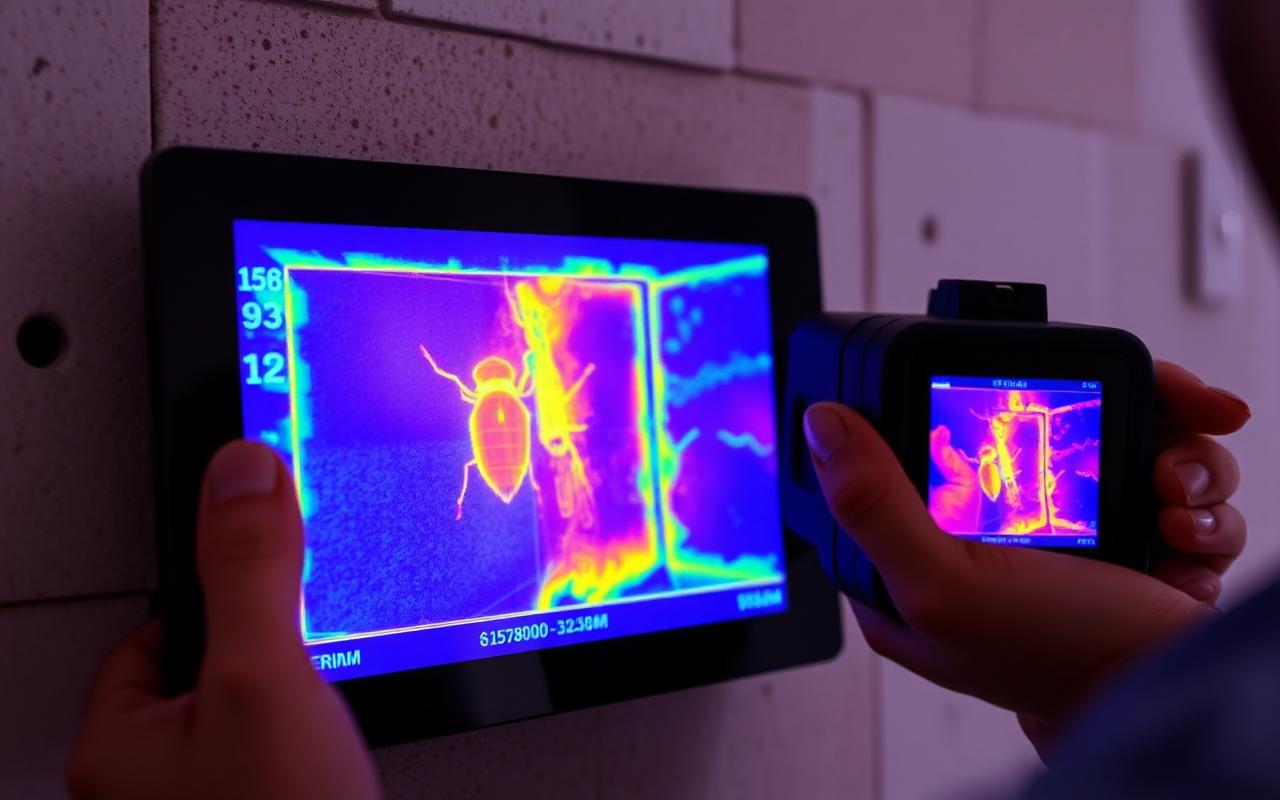
Termites hide behind plasterboard, render and tiles. FLIR thermal cameras find them without invasive damage. Here's how it works.
Read article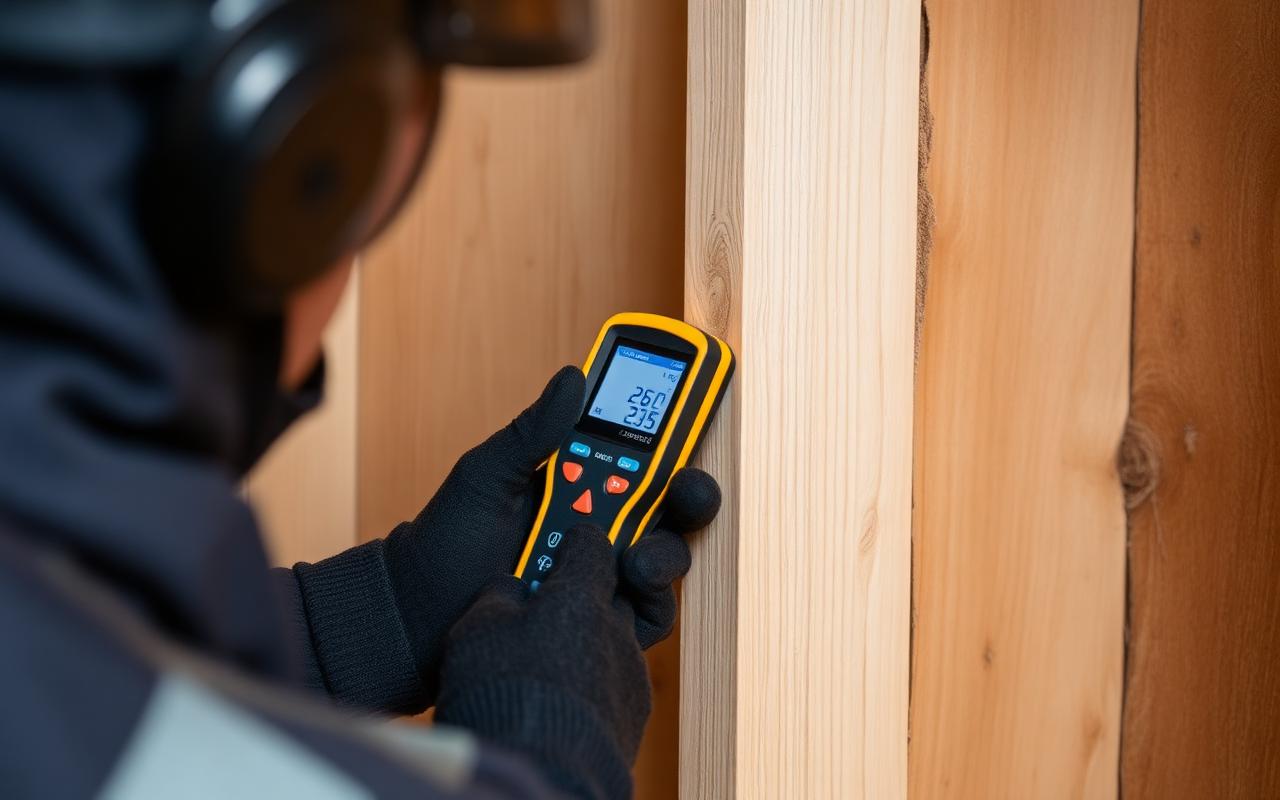
Termites need moisture. Find the wet timber, find the termites. Here's how Tramex moisture mapping works in a Sutherland Shire inspection.
Read article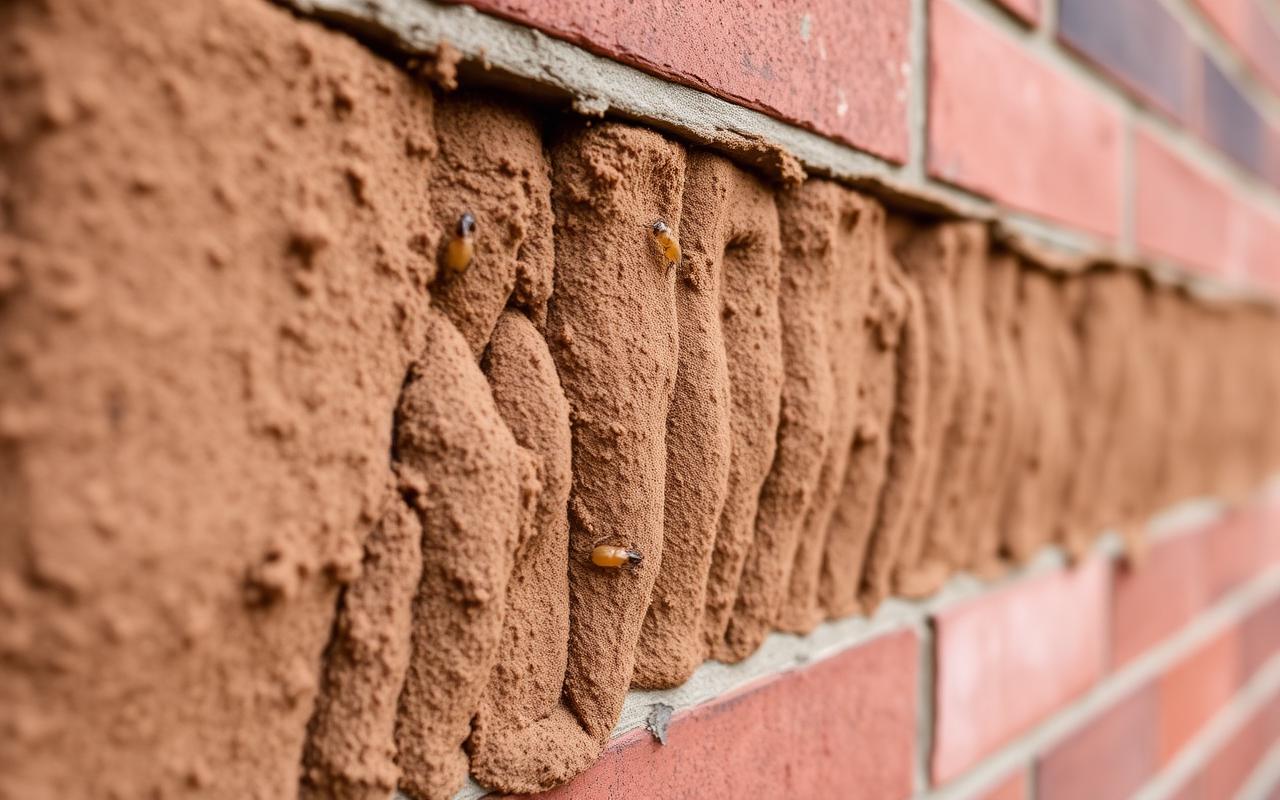
Mud tubes are the most visible sign of subterranean termite activity. Here's how to identify them — and why disturbing them makes treatment harder.
Read article
AS 3660 recommends annual termite inspections for every property. Bushland-fringed Shire homes should be inspected every 6 months. Here's why.
Read articleFAQ
At least every 12 months for most properties, and every 6 months for higher-risk bushland or previously affected homes.
We explain the extent of activity and recommend the right next step, such as baiting, a chemical barrier or further treatment planning.
No. Spraying or disturbing active termites can cause them to retreat and spread, making professional treatment more difficult.
Book online
Same-day service is available across the Sutherland Shire. Call now, book online, or send us the details and we'll come back with a fixed price and the next available time.
Tell us about your termite inspection job and we'll confirm the right service, timing and booking options.